Top Tools to Manage Business Information
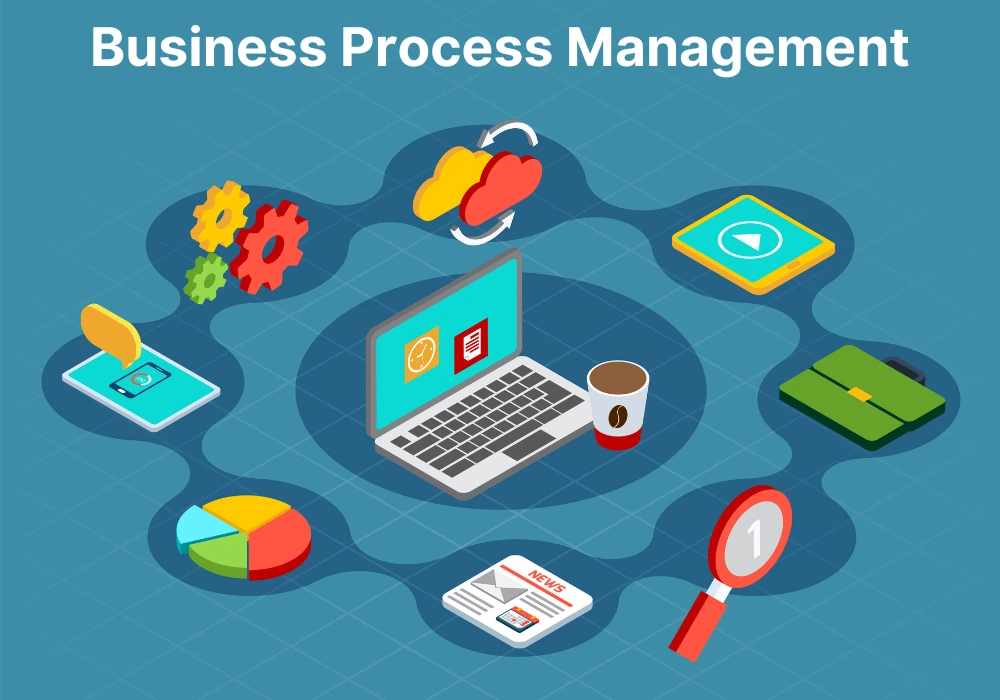
In the fast-paced and data-driven world of business, managing information efficiently can make the difference between soaring success and missed opportunities. As organizations accumulate vast amounts of data daily, leveraging the right business information tools becomes crucial to organize, analyze, and act on this valuable asset. These tools transform raw data into actionable insights, streamlining operations, improving decision-making, and enhancing overall productivity.
The Importance of Effective Business Information Management
Before diving into specific tools, it’s important to appreciate why managing business information effectively is paramount. Information flows from numerous sources—customer interactions, sales figures, market research, financial records, and more. Without proper organization, this data becomes a chaotic tangle, leading to confusion, inefficiency, and lost opportunities.
Business information tools are designed to tame this complexity. They provide frameworks for data collection, storage, analysis, and sharing, enabling teams to access relevant insights when they need them most. In essence, they empower businesses to be agile, informed, and competitive.
Key Categories of Business Information Tools
The spectrum of business information tools is broad and varied, each category addressing unique challenges and objectives. Here’s an overview of the most impactful types:
1. Data Management Platforms
At the foundation lies the need for robust data management. Platforms like Microsoft Azure, Amazon Web Services (AWS), and Google Cloud offer scalable, secure environments to store vast datasets. They facilitate data integration from disparate sources, ensuring that information remains accessible and reliable.
These platforms often include sophisticated database services, enabling complex queries and seamless data retrieval. With cloud-based solutions, businesses enjoy flexibility and cost efficiency, as they pay only for what they use while scaling resources on demand.
2. Customer Relationship Management (CRM) Software
CRM tools such as Salesforce, HubSpot, and Zoho CRM specialize in capturing and organizing customer-related information. These platforms track interactions, sales pipelines, and marketing efforts, creating a comprehensive view of each client.
By centralizing customer data, CRMs enable personalized communication, improved service delivery, and targeted marketing campaigns. They are indispensable business information tools for enhancing customer engagement and driving revenue growth.
3. Business Intelligence (BI) and Analytics Tools
Turning raw data into meaningful insights is the forte of BI tools. Solutions like Tableau, Power BI, and Looker allow organizations to visualize trends, patterns, and anomalies through interactive dashboards and reports.
These tools often feature drag-and-drop interfaces and advanced analytics capabilities, including predictive modeling and AI integration. By empowering users to explore data intuitively, BI tools foster data-driven cultures and support strategic decision-making.
4. Enterprise Resource Planning (ERP) Systems
ERPs such as SAP, Oracle NetSuite, and Microsoft Dynamics unify business processes across finance, supply chain, HR, and more. These integrated systems streamline data flows across departments, minimizing duplication and enhancing operational coherence.
ERP platforms serve as vital business information tools by offering real-time visibility into company-wide performance, enabling managers to optimize resource allocation and improve responsiveness.
5. Document Management Systems
Organizing documents, contracts, and reports is a critical aspect of business information management. Tools like SharePoint, Google Workspace, and Dropbox Business provide secure storage, version control, and collaboration features.
Effective document management reduces the risk of information silos, ensures compliance, and accelerates workflows by allowing teams to access and edit files anytime, anywhere.
6. Project Management and Collaboration Tools
Tools such as Asana, Trello, and Monday.com help teams coordinate tasks, track progress, and communicate seamlessly. These platforms often include features for attaching relevant documents, sharing updates, and monitoring deadlines.
By facilitating transparent information exchange and accountability, project management tools contribute to efficient handling of business information across complex initiatives.
How to Choose the Right Business Information Tools
Selecting the most suitable business information tools requires careful consideration of specific organizational needs and goals. Here are some guiding principles:
- Scalability: Choose platforms that can grow with your business, accommodating increasing data volumes and user numbers.
- Integration: Opt for tools that seamlessly connect with existing systems to avoid fragmented data landscapes.
- User-Friendliness: Prioritize intuitive interfaces to encourage widespread adoption across teams.
- Security: Ensure robust data protection features to safeguard sensitive information.
- Customization: Look for flexible tools that can be tailored to unique workflows and reporting requirements.
Emerging Trends in Business Information Tools
The landscape of business information tools is continuously evolving, driven by technological advancements and shifting business demands. A few notable trends include:
- Artificial Intelligence and Machine Learning: AI-powered analytics tools are enabling deeper insights and automated decision-making, reducing human error and accelerating response times.
- Real-Time Data Processing: Increasing demand for immediate access to data has led to tools that provide live updates, essential for dynamic environments like retail or finance.
- Mobile Accessibility: Cloud-based and mobile-friendly platforms empower users to interact with business information anytime, anywhere, fostering agility.
- Collaborative Intelligence: Integration of communication features within data tools encourages teamwork and shared understanding.
Maximizing the Value of Business Information Tools
Owning the best tools is only half the battle. To truly harness their potential, organizations must invest in training and foster a culture that values data literacy. Encouraging employees to explore data, ask questions, and share insights amplifies the impact of technology.
Regularly reviewing and refining the toolset ensures that it remains aligned with evolving business priorities and technological advances. Additionally, combining different types of business information tools into an interconnected ecosystem maximizes efficiency and insight generation.